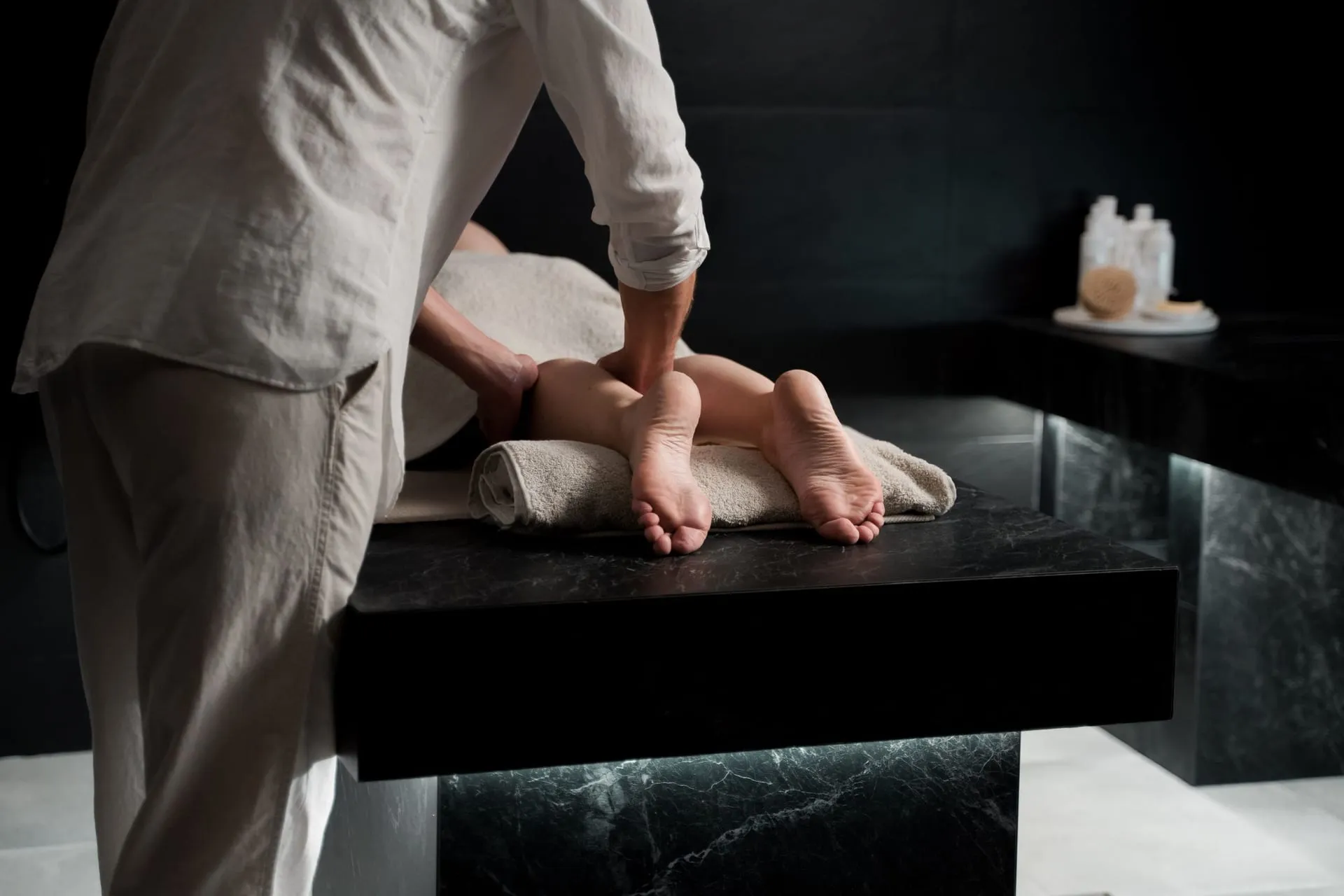
In a training clinic lined with treatment tables, students spend as much time learning to ask questions as they do learning strokes. Where does it hurt. How much pressure is too much. What changed since last week. The technique comes later; the conversation comes first.
Why it matters
Recovery work built on touch depends on trust that has to be earned session by session. Clinics that train this explicitly - not just anatomy and pressure points, but consent and communication - tend to produce practitioners whose clients actually come back, because the work feels collaborative rather than performed on them.
A good massage isn’t something done to a body. It’s a conversation the hands happen to be having.
What to watch
As recovery becomes a bigger part of general fitness programming, expect more gyms and clinics to bring bodywork in-house rather than treating it as an occasional treat - positioning it as scheduled maintenance, not an indulgence reserved for injury.